
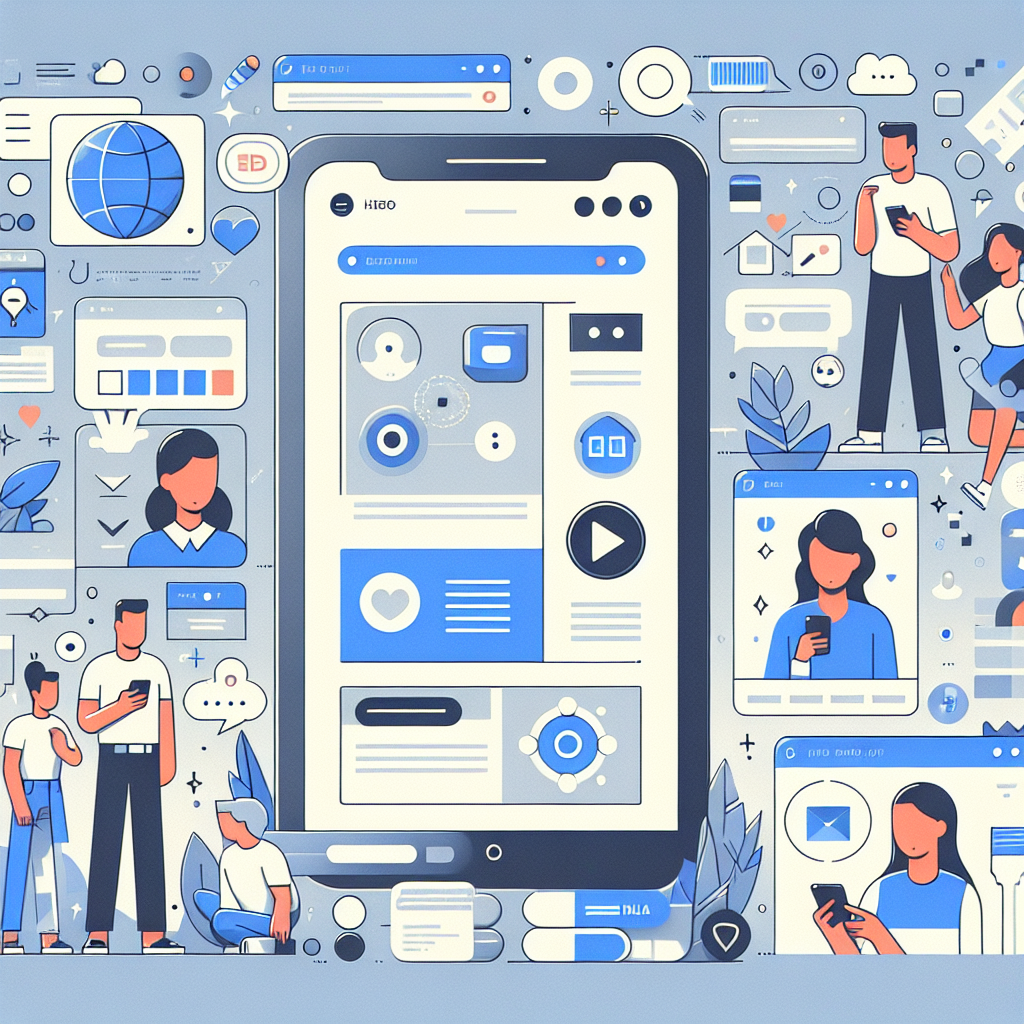
The Importance of Mobile-First Web Design
In the digital age, the approach to web design is evolving rapidly. One of the most significant shifts has been towards mobile-first web design. With mobile internet usage surpassing desktop browsing, it is essential for businesses to prioritize mobile optimization when designing their websites. In this article, we will explore why mobile-first web design is critical and how it can benefit your website.
Understanding Mobile-First Web Design
Mobile-first web design is an approach where the design process starts with creating a mobile-friendly version of a website before scaling up to larger screens. This strategy ensures that the user experience on mobile devices is intuitive and efficient. As mobile devices become increasingly dominant, ignoring mobile-first design can be detrimental to a website’s performance and user engagement.
The Rise of Mobile Usage
The proliferation of smartphones and tablets means that more people are accessing the internet on mobile devices than ever before. Recent statistics show that over 50% of global web traffic comes from mobile devices. This trend highlights the necessity for websites to be fully functional and visually appealing on smaller screens.
Enhanced User Experience
One of the primary benefits of mobile-first design is the improved user experience it provides. A mobile-first approach ensures that navigation is seamless, loading times are minimized, and content is easily accessible. By tailoring the design process to accommodate smaller screens, websites can reduce bounce rates and enhance user satisfaction.
SEO Advantages
Search engines like Google prioritize mobile-friendly websites in their search rankings. In 2018, Google moved to a mobile-first indexing model, meaning that the mobile version of your website is what Google indexes and ranks first. By adopting a mobile-first design strategy, businesses can improve their visibility and reach in search engine results pages (SERPs).
Cost-Effectiveness
While it might seem like an additional cost initially, designing with a mobile-first mindset can lead to long-term savings. A responsive website that adapts to various screen sizes requires less maintenance and fewer redesigns. Additionally, a single cohesive design can decrease development time and costs, as opposed to creating separate desktop and mobile sites.
Future-Proofing Your Website
Technology continues to evolve, and with it, so do users’ expectations. By embracing mobile-first web design, businesses can ensure that their websites remain relevant and accessible. As new devices with varying screen sizes enter the market, a solid mobile-first foundation provides flexibility to adapt to future technological advancements without extensive overhauls.
Competitive Edge
In a competitive digital landscape, businesses must seize every opportunity to stand out. A mobile-first design approach can provide a significant edge over competitors who have not optimized their sites for mobile users. With a focus on delivering a superior mobile experience, businesses can attract and retain a larger audience, fostering brand loyalty and driving conversions.
Conclusion
In conclusion, the importance of mobile-first web design cannot be overstated. As mobile device usage continues to rise, businesses need to adapt their web design strategies to meet the expectations of modern users. By prioritizing mobile-first design, companies can enhance user experience, improve SEO rankings, reduce costs, and future-proof their websites against technological changes. Investing in mobile-first web design is not only a wise decision but a necessary one to stay competitive in today’s digital landscape.
Comments are closed